
Poker Thrills With Tactical Play
Contents
Poker formats that changed my approach
Decisions when the pot gets uncomfortable
Poker has always felt different from slots or roulette to me. There is still the casino atmosphere, the deposit screen, the lobby full of tables and the familiar little rush when cards appear, but poker asks something back from the player. It asks for patience, observation and, occasionally, the nerve to fold a hand that looks almost too pretty to release.
I first started moving between live poker rooms and online tables after browsing platforms such as nightwin. What caught my attention was not just the selection of games, although that matters, but how quickly the player experience changes when real decisions are involved. A bonus can give a bankroll a little extra room, sure, yet no promotion turns a weak call into a strong one.
My early lesson was simple: poker excitement does not come only from winning a pot. Sometimes it comes from correctly folding and watching an opponent show exactly the hand I suspected.
Poker Formats That Changed My Approach
It took me a while to understand that “poker” is not one experience. Texas Hold’em is the obvious starting point and still my preference, especially no-limit cash games, but tournament poker and fast-fold tables produce very different pressures. In a cash game, I can leave after a poor stretch and reset. In a tournament, blinds keep rising and eventually make waiting feel like its own risk.
At a live casino table, I tend to play fewer hands in the first orbit. That is not because I am trying to look mysterious. Honestly, I just need a few minutes to notice who is chatting, who is counting chips carefully, and who seems eager to raise every pot. Online, those physical clues disappear, but betting timing, stack sizes and repeated sizing patterns create another kind of information.
- Cash games gave me room to slow down and focus on individual opponents.
- Multi-table tournaments taught me that survival has value, particularly near payout jumps.
- Single-table sit-and-go games made short-stack decisions feel much sharper and less forgiving.
- Fast-fold poker improved my hand selection, though it gave me less time to build a read.
There is no perfect format, perhaps that is part of the appeal. A quiet cash table can suddenly become aggressive when one player wins a large pot. A tournament can feel slow for an hour, then demand three difficult choices in five minutes. I enjoy both, although I still find live play more memorable.
Reading The Live Table
Live poker is where I noticed the small details most clearly. People often imagine tells as dramatic movie moments, a trembling hand or an obvious stare. In my experience, they are usually much less reliable than that. A player might shake because the room is cold, not because they are bluffing. I once spent ten minutes reading far too much into a man repeatedly touching his cap, then learned he was simply adjusting a new pair of glasses.
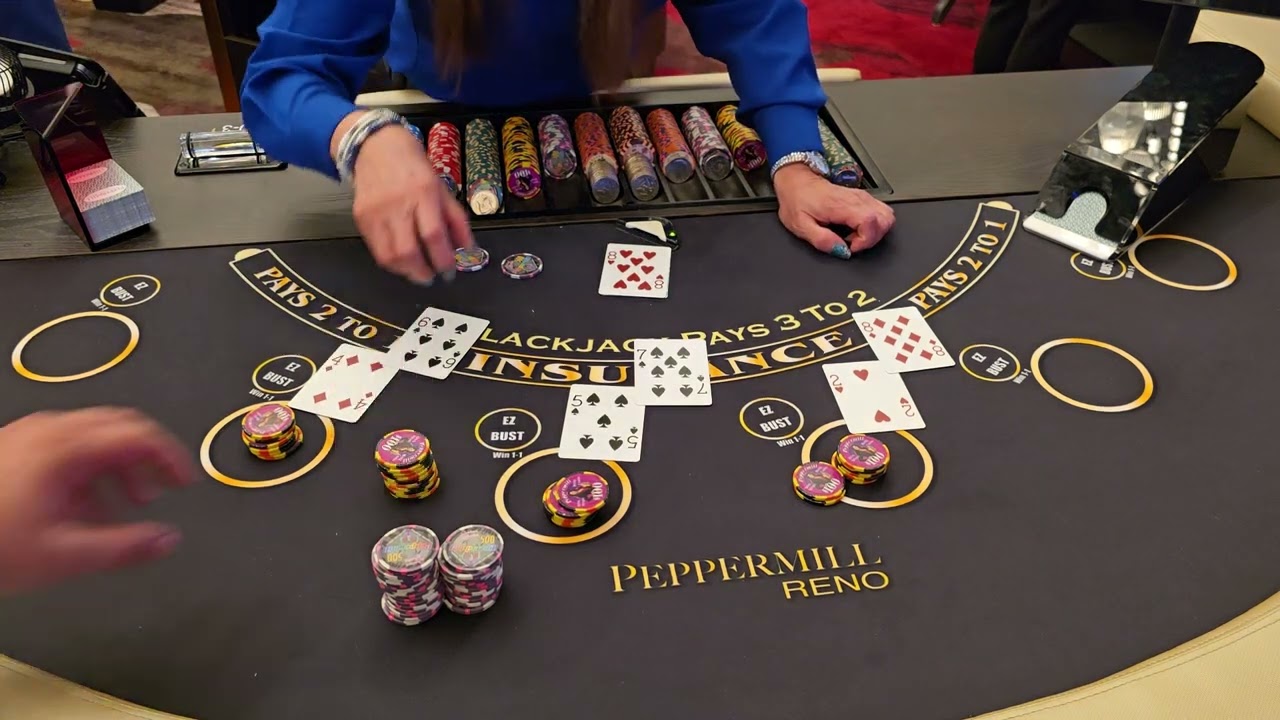
What I trust more is the pattern. If someone limps with marginal hands, calls small raises, then suddenly makes a large river bet, I pay attention. That action may not prove anything on its own, but it belongs in the mental notes. The strongest reads come from comparing what a player does now with what they have already done several times.
The Details I Actually Watch
I try not to turn every gesture into a clue. Instead, I look for a few practical signals and keep them in proportion:
- How often a player enters pots before the flop.
- Whether bet sizes stay consistent with strong and weak-looking hands.
- How quickly they act when facing a raise.
- Whether their stack size affects their confidence or aggression.
- How they react after losing, because frustration can change a table quickly.
A small concrete memory stays with me. At a Friday evening table, a player kept placing exactly three blue chips forward whenever he wanted a value bet. On one hand he used four, paused for a second, and looked away. I folded middle pair. He later showed a missed draw. Was it a perfect tell? No. But it was enough of a break from his normal rhythm to make folding feel sensible.
Useful reminder: a read is not a certainty. It is a reason to adjust a decision, not a guarantee that the cards will cooperate.
Decisions When The Pot Gets Uncomfortable
The hardest poker decisions arrive when the amount in the middle becomes large enough to matter. A small call is easy to justify. A big call can make the room feel oddly quiet, even when chips are clicking all around. I have felt that pressure online too, just in a different way, staring at a timer while the action bar waits for an answer.
My instinct used to be to “find out” by calling. That phrase sounds harmless, but it is often expensive. Now I try to ask a more useful question: what hands does this opponent reasonably have, and which of those hands do I beat? If I cannot name enough weaker hands or believable bluffs, I lean toward folding. It is not glamorous. It is also not always right.
Discipline is often more thrilling than bravado, especially when a patient fold protects the bankroll for a better spot. I do still make bold plays. A well-timed bluff can be satisfying, almost absurdly so, but I prefer it when the story makes sense. Betting hard on a board that clearly favors my range feels tactical. Throwing chips forward because I am bored feels like trouble.
Keeping Poker Enjoyable On A Casino Platform
Registration and payment options are not the most exciting parts of poker, yet they shape the whole experience. I prefer platforms where depositing, withdrawing and checking account limits feels straightforward. If I have to hunt through several pages to find basic banking information, I lose confidence quickly. Clear limits also help me treat poker as entertainment with a budget, not as a rescue mission after a bad session.
Bonuses can be useful, but I read the conditions carefully. Poker rewards are sometimes released gradually through rake or points, which can be fine if I was already planning to play. I do not chase hands merely to unlock an offer. That is one of those habits that sounds obvious after the fact, but I had to learn it the mildly annoying way.
I also leave sessions when my concentration slips. A couple of bad beats can make any player impatient, and impatience makes reading the table much harder. Taking ten minutes away from the screen, or stepping outside a live room for water, has saved me from decisions I would probably regret.
Conclusion
For me, poker remains the most personal game on a casino platform because every table develops its own little story. Formats change the pace, bankroll rules keep the experience grounded, and reading opponents adds a layer that no random card deal can replace. I still enjoy the thrill of a strong hand, naturally, but the moments I remember best are the difficult folds, the cautious calls, and the times I noticed just enough to make the better decision under pressure.